
What is amaranth used for in cooking?
Amaranth microgreens are primarily used for visual impact in fine-dining plating, salads, and composed dishes where vivid magenta color adds contrast.
Amaranth microgreens from ChefPax taste earthy and mildly sweet with a striking red-to-magenta color that makes them one of the most visually distinctive microgreens for plating.
Amaranth microgreens from ChefPax taste earthy and mildly sweet with a striking red-to-magenta color that makes them one of the most visually distinctive microgreens for plating.
Amaranth microgreens are primarily used for visual impact in fine-dining plating, salads, and composed dishes where vivid magenta color adds contrast.
Red amaranth provides one of the most striking color contrasts available in fresh garnishes — deep magenta against white plates, pale proteins, or cream sauces. The mild earthy flavor doesn't compete with the dish, making it a reliable plating tool.

Rich magenta color, earthy beet-like flavor. 5×5 live tray - 4-6 harvests. Fine-dining garnish, visual contrast. 12-16 days.
One-time: $14.00
Weekly subscription: $12.60/week
Typical grow cycle: 16 days
Delivery: Local delivery across the Austin metro area. Based in Manor, TX.
Popular with Austin chefs for: fine dining garnish, color contrast on composed plates. Chef Supply Hub →
ChefPax is a local microgreens farm in Manor, Texas, delivering fresh-cut and live-tray microgreens to chefs and home cooks across the Austin metro area.
Red Garnet Amaranth — 5×5 are commonly used in salads, sandwiches, grain bowls, and plated dishes. Best added just before serving.
ChefPax microgreens are grown in Manor, TX and delivered within 24–48 hours of harvest. Live trays continue growing, extending shelf life beyond pre-cut greens.
Compared to other microgreens, red garnet amaranth — 5×5 offer a distinct flavor and texture profile.
Chefs use red garnet amaranth — 5×5 to enhance plating, add texture, and introduce concentrated flavor.
Amaranth microgreens are distinguished by their vibrant magenta and gold pigments, which come from betalain compounds. They are chosen by chefs primarily for visual impact and mild, earthy flavor. Amaranth grain has a stronger evidence base than amaranth microgreens specifically.
• Amaranth species have been studied for betalain pigment content, the same class of pigments found in beets and some other plants.
moderate evidence• Pigment intensity and flavor in amaranth microgreens vary significantly by variety and light exposure during growing.
strong evidence1. Assessment of Vitamin and Carotenoid Concentrations of Emerging Food Products: Edible Microgreens — Journal of Agricultural and Food Chemistry, 2012
2. Microgreens: Production, Shelf Life, and Bioactive Components — Critical Reviews in Food Science and Nutrition, 2017
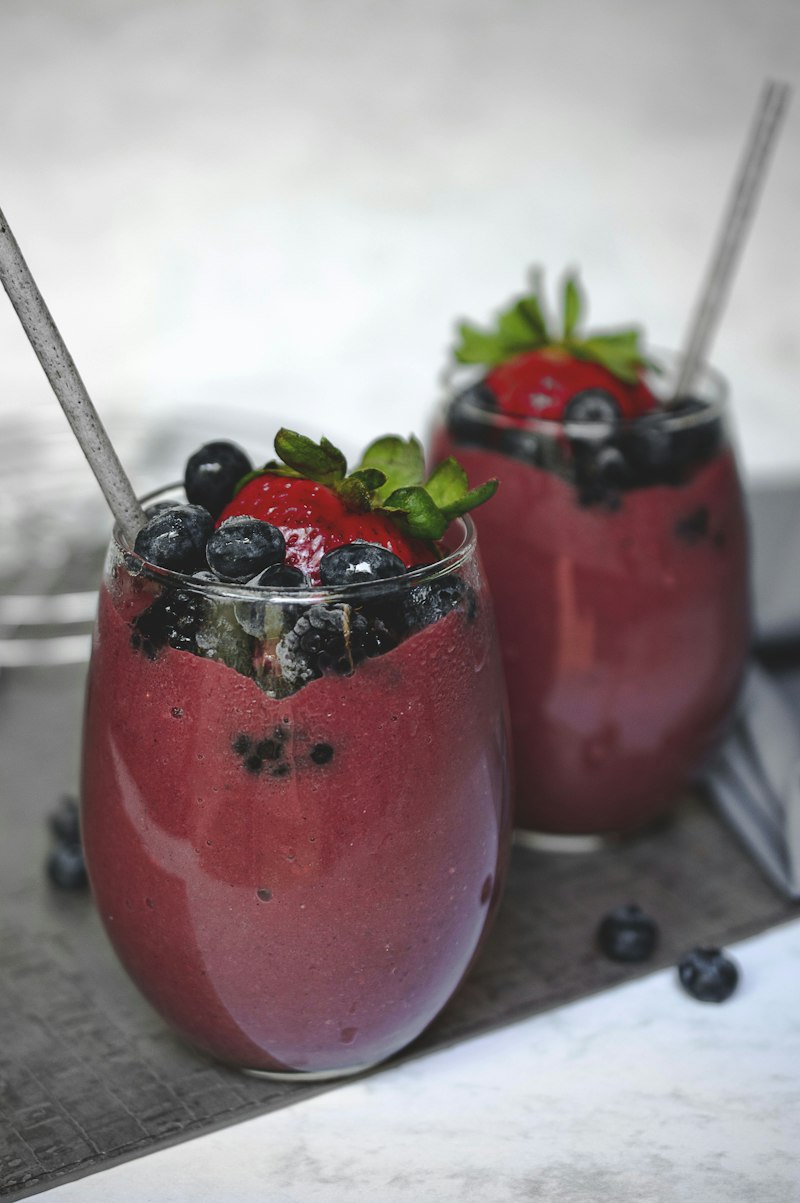
ChefPax Microgreens
ChefPax recipe
10 min
Vibrant purple smoothie bowl topped with red amaranth microgreens and fresh fruit.
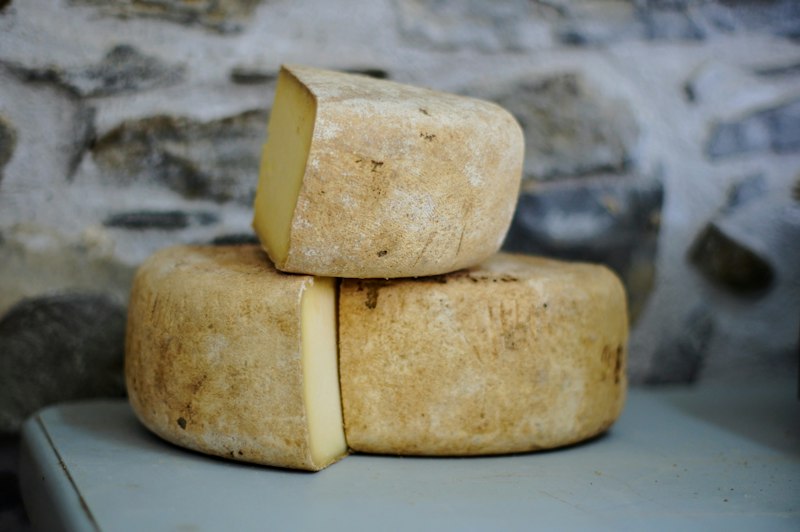
ChefPax Microgreens
ChefPax recipe
14 min
Crispy crostini topped with creamy goat cheese and vibrant red amaranth microgreens.
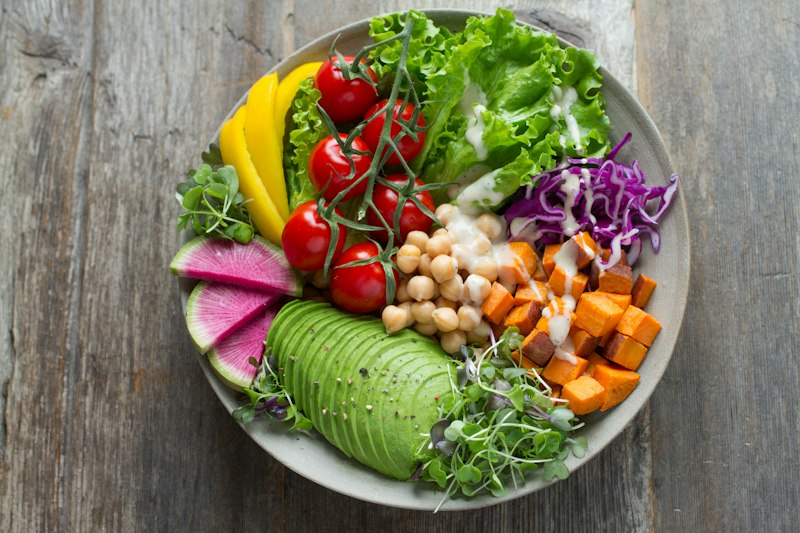
ChefPax Microgreens
ChefPax recipe
25 min
Nutritious quinoa bowl topped with red amaranth microgreens, roasted vegetables, and tahini dressing.