Brassica oleracea var. italica

Broccoli microgreens have earned a dedicated following among health-conscious Austinites — and for good reason. ChefPax grows Waltham 29 Broccoli (Brassica oleracea var. italica), a classic open-pollinated variety known for its reliable germination and clean, mild brassica flavor.
Seeded at 1.5 oz per 10×20 tray and harvested in 8–10 days when the cotyledons are flat, green, and fully developed, broccoli microgreens are the workhorse of our health-focused crop lineup. They're mild enough to blend invisibly into smoothies, sturdy enough to hold up in cold salads, and nutritionally dense enough to justify the hype.
The key compound driving the nutritional conversation around broccoli microgreens is sulforaphane — a glucosinolate found in concentrations 10–100 times higher in microgreens than in mature broccoli heads. Whether you're juicing them, adding them to a daily smoothie, or using them as a mild finishing green on salads, these greens deliver.
Broccoli microgreens taste mildly earthy with a clean brassica finish — similar to the freshest part of a raw broccoli floret, but lighter and more delicate. There's a hint of vegetal sweetness, none of the bitterness that cooked broccoli can carry, and a crisp, tender texture that makes them easy to incorporate raw into almost any dish.
Broccoli microgreens are one of the most nutrient-studied microgreens in the scientific literature. They're rich in vitamin C, vitamin K, vitamin A, and sulforaphane — a compound with well-documented antioxidant properties. Sulforaphane concentrations in microgreens are significantly higher than in mature broccoli; even a small daily serving contributes meaningfully to your intake.
For a deeper look at vitamins and phytonutrients studied across varieties, see the microgreens nutrition guide.
Your ChefPax broccoli tray arrives live and ready to snip. Keep in indirect light at room temperature and snip what you need — cotyledons first, then continue snipping for up to 2–3 weeks with light daily watering. Broccoli microgreens prefer slightly cooler environments; if your kitchen runs warm, a spot away from direct sun works best.
Full storage tips — container types, fridge placement, and shelf life by crop — are in the microgreens storage guide.
ChefPax Microgreens
ChefPax recipe
18 min
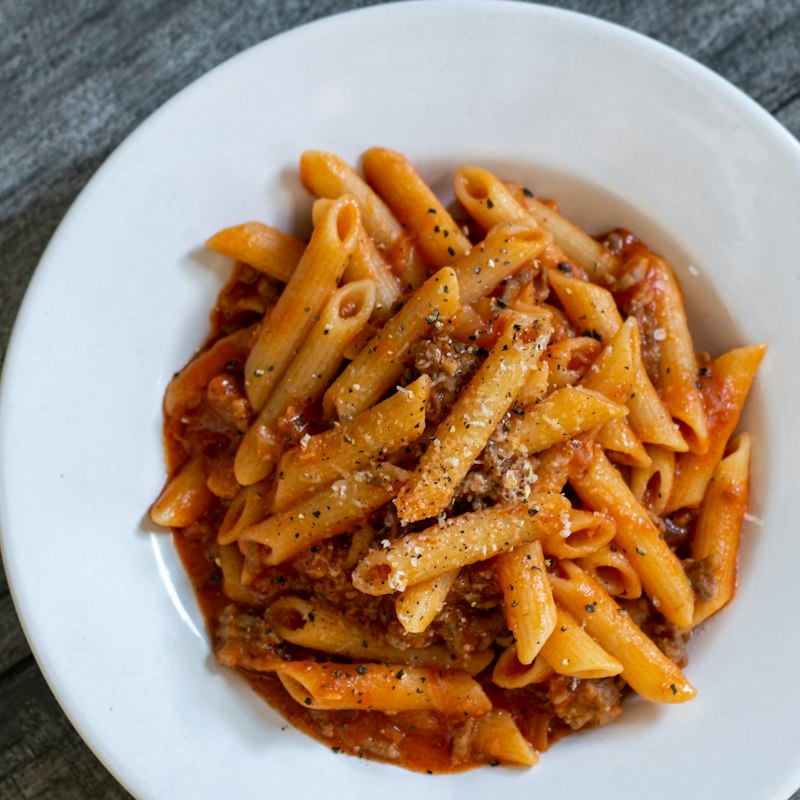
Bright lemon pasta tossed with earthy broccoli microgreens for a fresh, nutritious meal.
ChefPax Microgreens
ChefPax recipe
25 min
Tender grilled steak topped with fresh broccoli microgreens for a burst of flavor and nutrition.
ChefPax Microgreens
ChefPax recipe
20 min
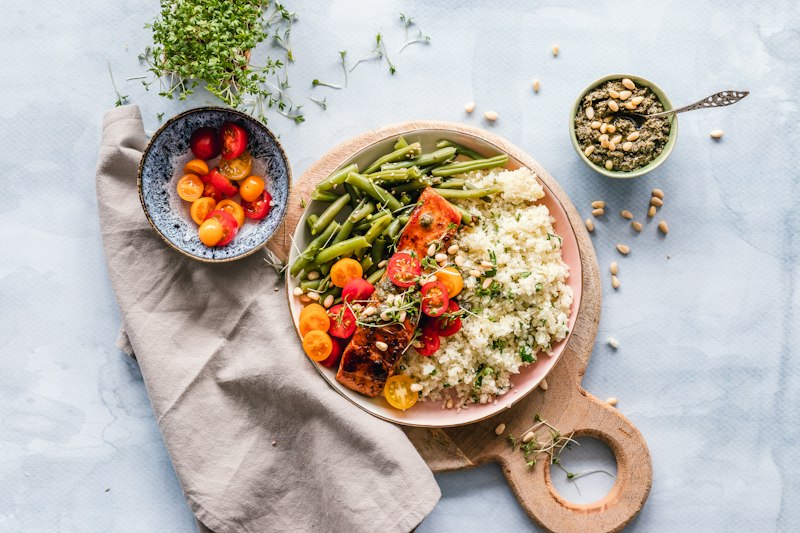
Silky blended zucchini and pea soup with a handful of raw broccoli microgreens swirled in at the end for a sulforaphane boost.
ChefPax Microgreens
ChefPax recipe
25 min
This comforting soup features the nutritional power of broccoli microgreens blended into a creamy mixture, perfect for a nourishing meal any time of the year.
ChefPax Microgreens
ChefPax recipe
10 min
This vibrant avocado toast topped with broccoli microgreens offers a nutritious and flavorful start to your day.
ChefPax Microgreens
ChefPax recipe
15 min
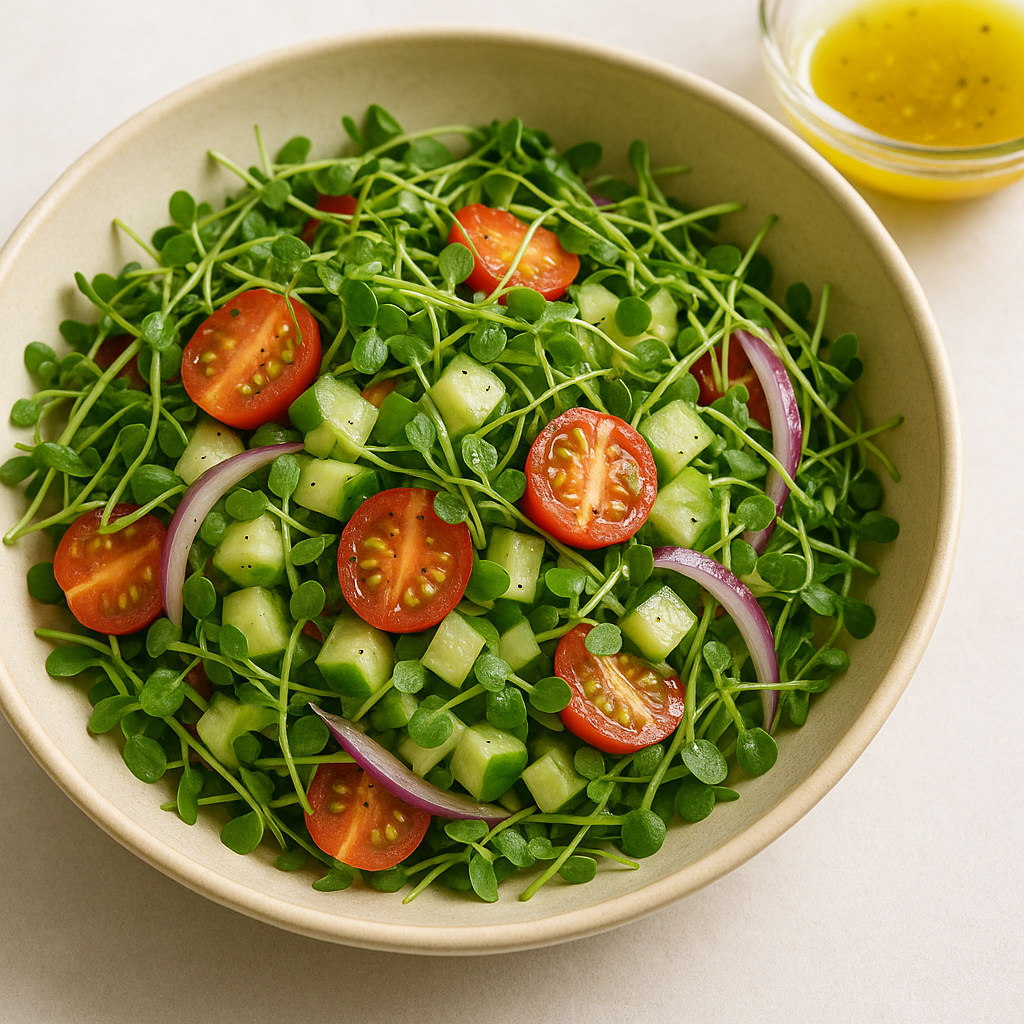
This refreshing salad bursts with flavors and nutrients, featuring the delicate crunch of broccoli microgreens paired with a zesty citrus dressing.
ChefPax Microgreens
ChefPax recipe
25 min
A quick and healthy stir-fry featuring crispy tofu and vibrant broccoli microgreens, packed with protein and flavor for a satisfying meal.
ChefPax Microgreens
ChefPax recipe
10 min
Elevate your toast game with creamy avocado and peppery broccoli microgreens, finished with a sprinkle of chili flakes for a delightful kick.
ChefPax Microgreens
ChefPax recipe
25 min
A creamy, green pesto made with broccoli microgreens brings a fresh twist to your favorite pasta dish.
ChefPax Microgreens
ChefPax recipe
10 min
A quick and flavorful side dish featuring sautéed broccoli microgreens and garlic, perfect for any meal.
ChefPax Microgreens
ChefPax recipe
20 min
This vibrant salad combines nutty quinoa with crunchy broccoli microgreens for a refreshing, nutrient-packed dish.
ChefPax Microgreens
ChefPax recipe
25 min
This hearty bowl features protein-packed quinoa and spicy roasted vegetables, topped with fresh broccoli microgreens for a nutritious kick.
ChefPax Microgreens
ChefPax recipe
15 min
This vibrant salad combines the crunch of fresh vegetables with the peppery notes of broccoli microgreens and a zesty citrus dressing.
ChefPax Microgreens
ChefPax recipe
10 min
This creamy avocado toast topped with fresh broccoli microgreens is a nutritious and flavorful breakfast that packs a punch of vitamins.
ChefPax Microgreens
ChefPax recipe
20 min
This fluffy omelette packed with broccoli microgreens is a protein-rich meal perfect for breakfast or brunch.
ChefPax Microgreens
ChefPax recipe
15 min
This colorful salad bowl combines crisp veggies and broccoli microgreens, making it a fresh and satisfying meal.
ChefPax Microgreens
ChefPax recipe
20 min
This vibrant salad combines the crunch of quinoa with the peppery flavor of broccoli microgreens, topped with a zesty lemon dressing for a refreshing meal.
Yes — research has consistently shown that broccoli microgreens contain sulforaphane precursors at 10–100 times the concentration found in mature broccoli. The concentrations vary by growing conditions and seed variety, but the difference is substantial.
Mildly — they have a clean, fresh brassica taste without the strong smell of cooked broccoli. Many people who don't enjoy the flavor of cooked broccoli find broccoli microgreens completely palatable, especially in smoothies where the flavor is further diluted.
Eat them raw — cooking destroys sulforaphane and vitamin C. Add them to smoothies, salads, or use as a raw garnish at the end of cooking. Blending activates more sulforaphane than eating whole, so smoothies are a particularly effective delivery method.
Broccoli microgreens are frequently studied among edible microgreens for their phytochemical content, particularly sulforaphane precursors found in the seeds and sprouts of brassica crops. Culinary use focuses on their mild, slightly peppery flavor as a finishing green.
• Brassica microgreens including broccoli have been studied for elevated concentrations of glucosinolates and sulforaphane precursors relative to mature heads.
moderate evidence• Micronutrient levels in broccoli microgreens vary by seed source, growing medium, light exposure, and harvest timing.
strong evidence• Consuming brassica sprouts and microgreens fresh avoids heat-related breakdown of sulforaphane precursor compounds.
limited evidence1. Assessment of Vitamin and Carotenoid Concentrations of Emerging Food Products: Edible Microgreens — Journal of Agricultural and Food Chemistry, 2012
2. Microgreens: Production, Shelf Life, and Bioactive Components — Critical Reviews in Food Science and Nutrition, 2017