Brassica juncea

Wasabi Mustard microgreens are for cooks who want heat with complexity. ChefPax grows Brassica juncea — the same botanical family as brown and oriental mustard — under conditions specifically designed to amplify the pungent, wasabi-like heat that gives this variety its name.
Seeded at 1.5 oz per 10×20 tray with strong airflow during the light phase, and harvested in 8–10 days, our wasabi mustard develops a sharp, concentrated heat profile that goes beyond simple spice. There's a layered quality to it — first the mustard bite, then the sinus-clearing warmth of wasabi, then a clean green finish. It's a microgreen that earns its place at the table.
Austin's sushi and Asian fusion scene has embraced wasabi mustard microgreens as a locally-grown alternative to imported wasabi products. The heat level is more nuanced than raw wasabi paste, making it easier to control the intensity in a dish. Whether you're finishing sushi rolls, building a poke bowl, or adding heat to a cold noodle salad, wasabi mustard microgreens deliver an authentic flavor impact that's hard to replicate with condiments alone.
Wasabi mustard microgreens deliver sharp, pungent heat with clear wasabi and mustard notes — a two-stage burn that clears the sinuses but fades cleanly. The initial bite is assertive and direct, followed by a warm, lingering finish. There's a fresh green quality underneath the heat that distinguishes it from simple spice. This is one of the most complex-flavored microgreens we grow.
Wasabi mustard microgreens are rich in vitamins A, C, and K, and contain significant concentrations of glucosinolates — the same compounds that give the heat and have been studied for their potential role in metabolic health. The isothiocyanates released when you chew mustard microgreens are the same class of compound found in wasabi root.
For a deeper look at vitamins and phytonutrients studied across varieties, see the microgreens nutrition guide.
Your live wasabi mustard tray develops flavor intensity with continued light exposure — keep it in a bright spot (not direct harsh afternoon sun) at room temperature. The heat level can increase slightly over the first few days post-delivery. Snip as needed and expect up to 2–3 weeks of fresh harvest with light daily watering.
Full storage tips — container types, fridge placement, and shelf life by crop — are in the microgreens storage guide.
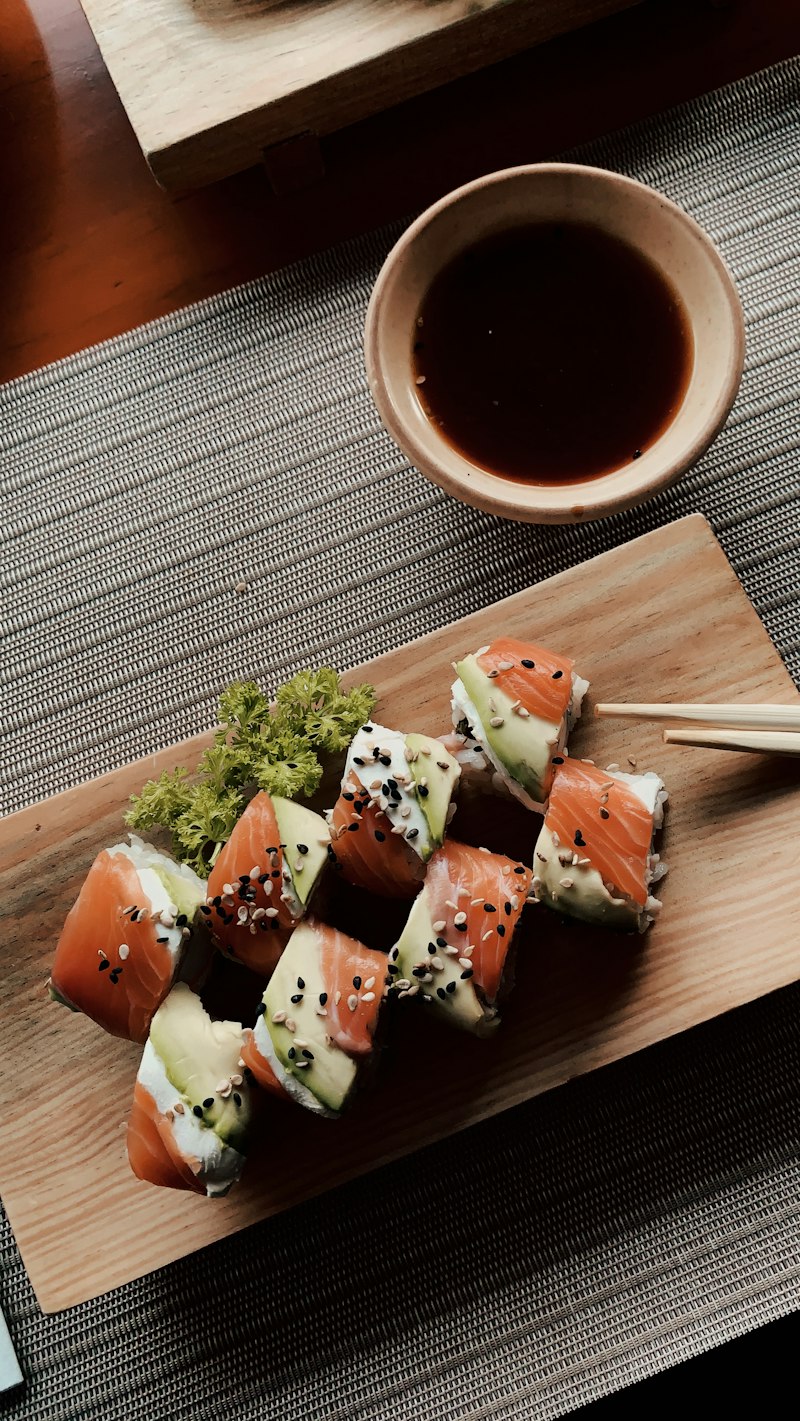
ChefPax Microgreens
ChefPax recipe
30 min
Homemade sushi rolls with wasabi mustard microgreens for an authentic, spicy kick.
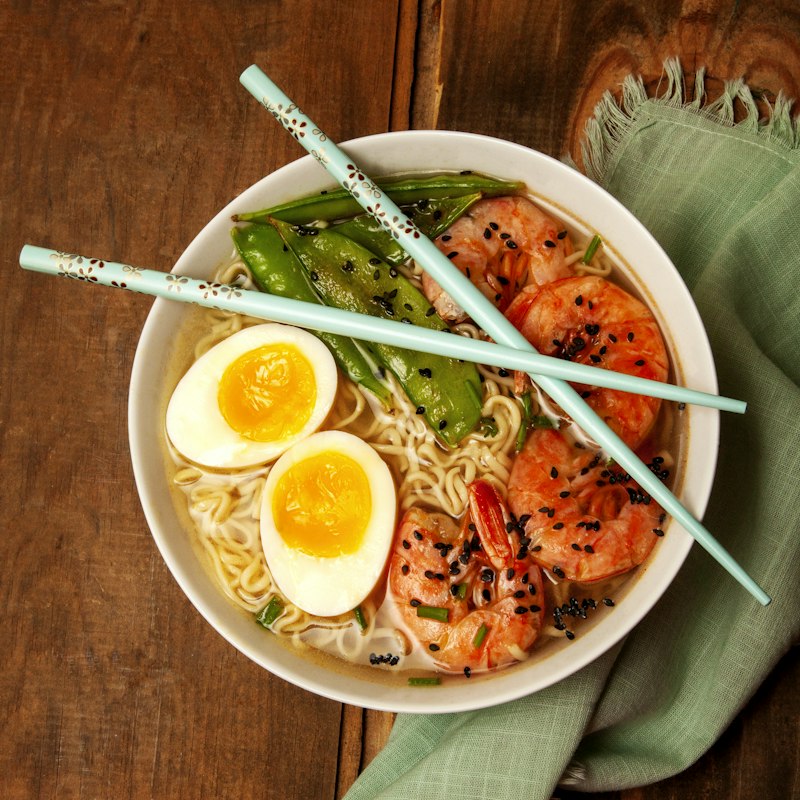
ChefPax Microgreens
ChefPax recipe
20 min
Hearty ramen bowl topped with spicy wasabi mustard microgreens for bold flavor.
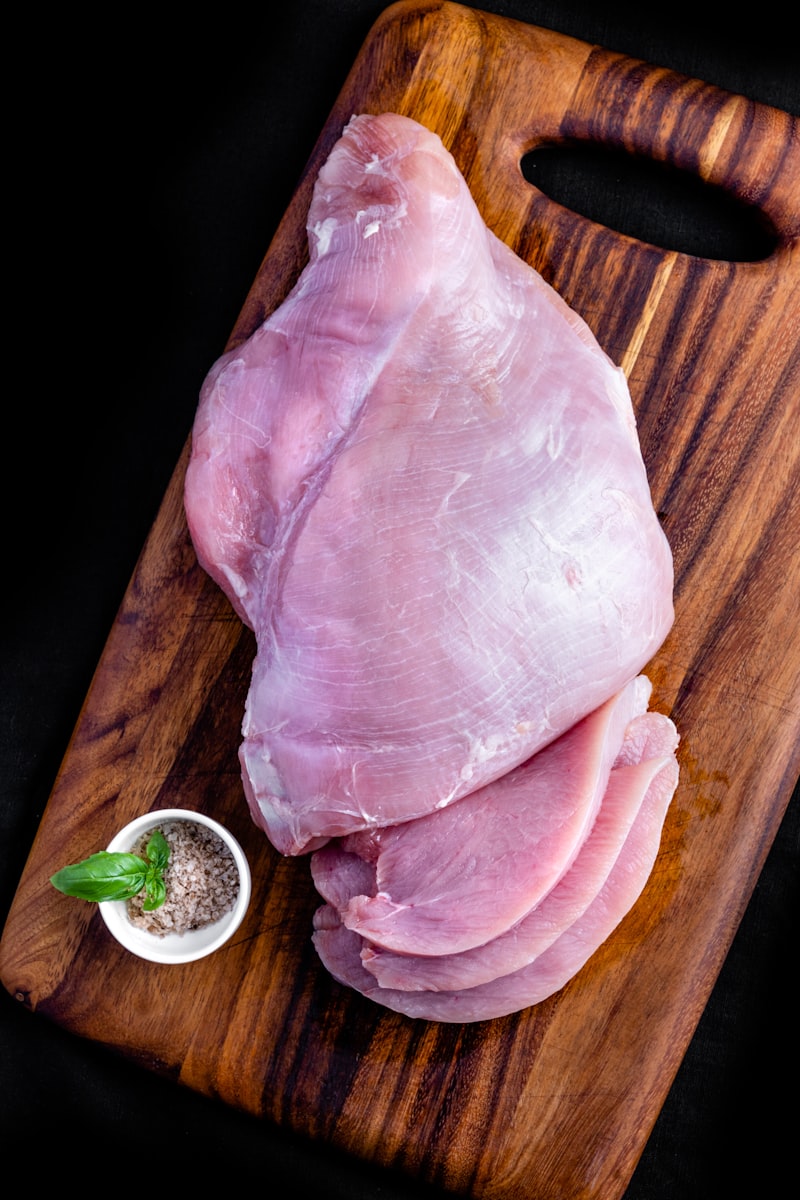
ChefPax Microgreens
ChefPax recipe
20 min
Crispy pan-seared chicken with a sweet-savory glaze, finished with spicy mustard microgreens.
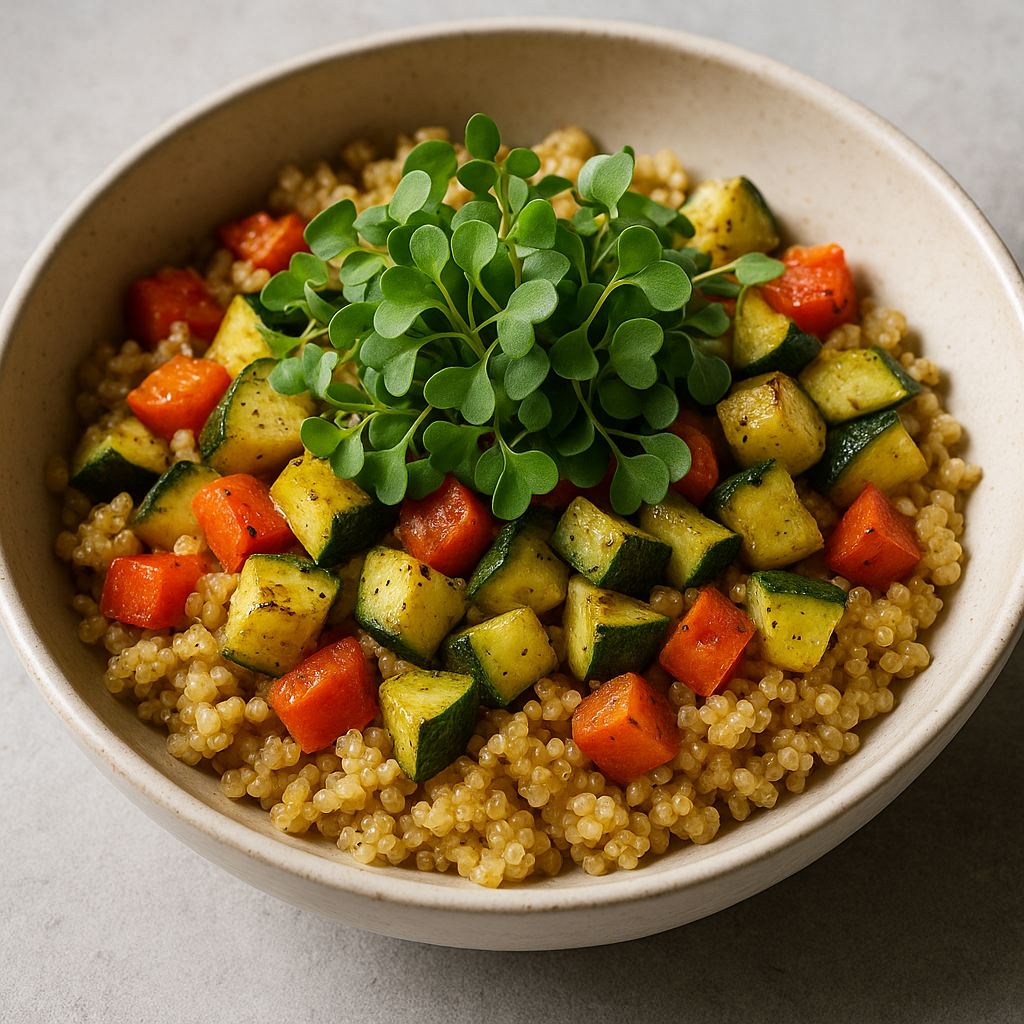
ChefPax Microgreens
ChefPax recipe
25 min
A wholesome quinoa bowl packed with nutrients, featuring mustard microgreens and roasted vegetables for a delightful texture and flavor.
ChefPax Microgreens
ChefPax recipe
15 min
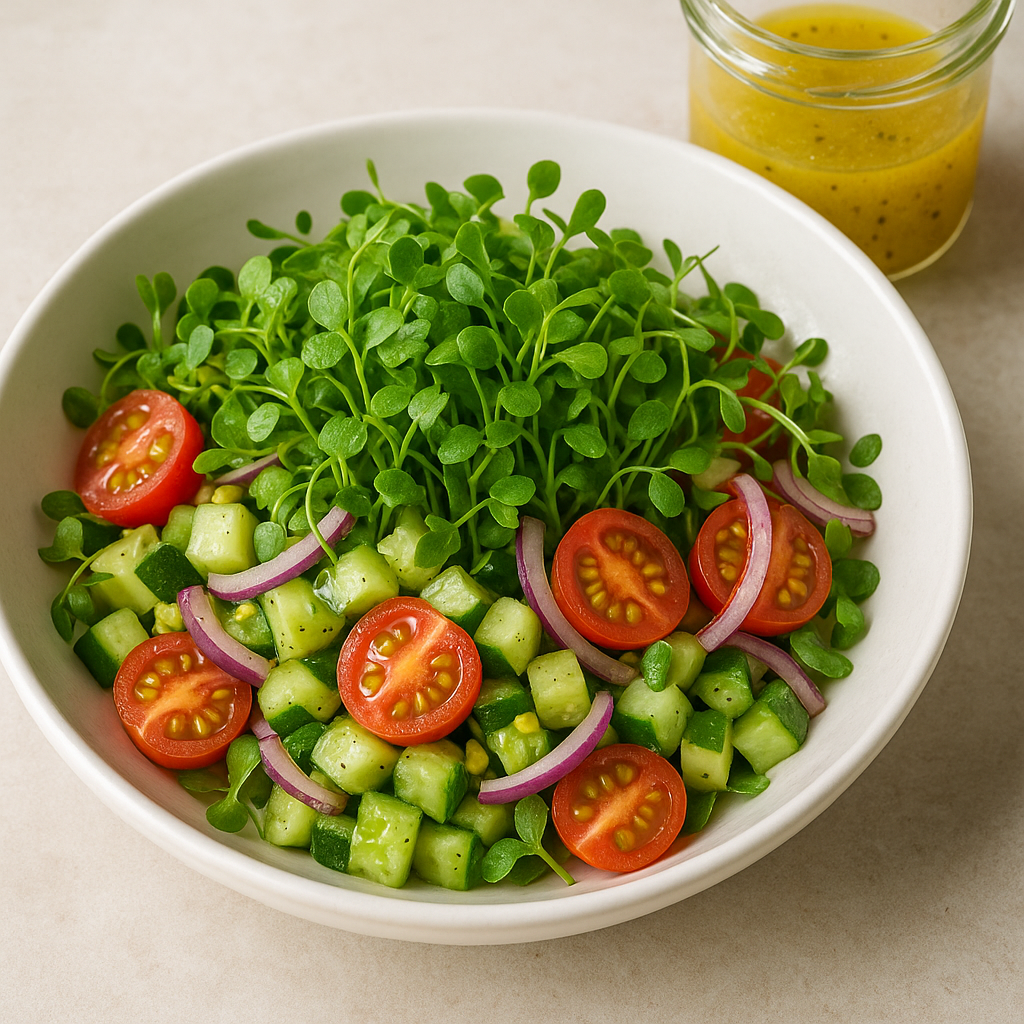
This vibrant salad combines the peppery taste of mustard microgreens with a refreshing citrus vinaigrette, making it a delightful side or standalone dish.
ChefPax Microgreens
ChefPax recipe
10 min
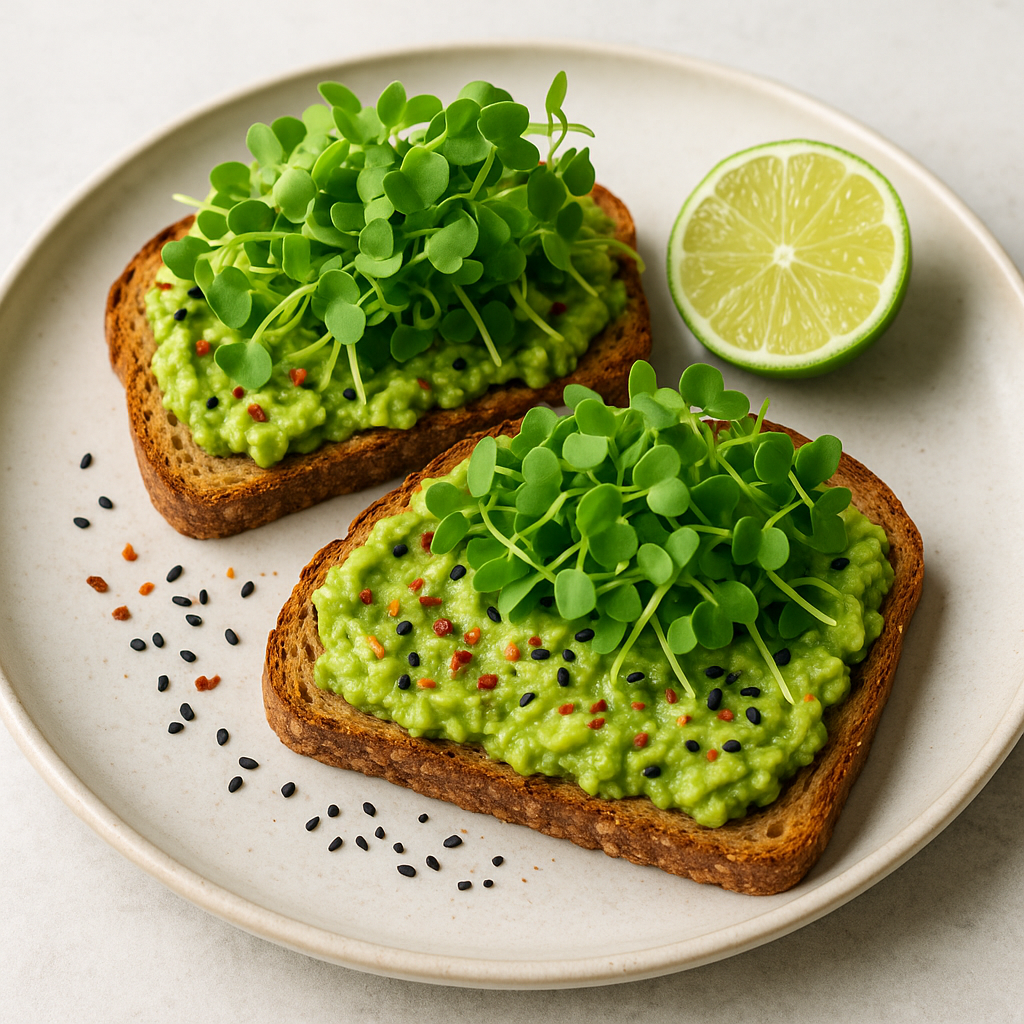
Elevate your breakfast with this trendy avocado toast topped with zesty wasabi mustard microgreens for a unique flavor experience.
ChefPax Microgreens
ChefPax recipe
25 min
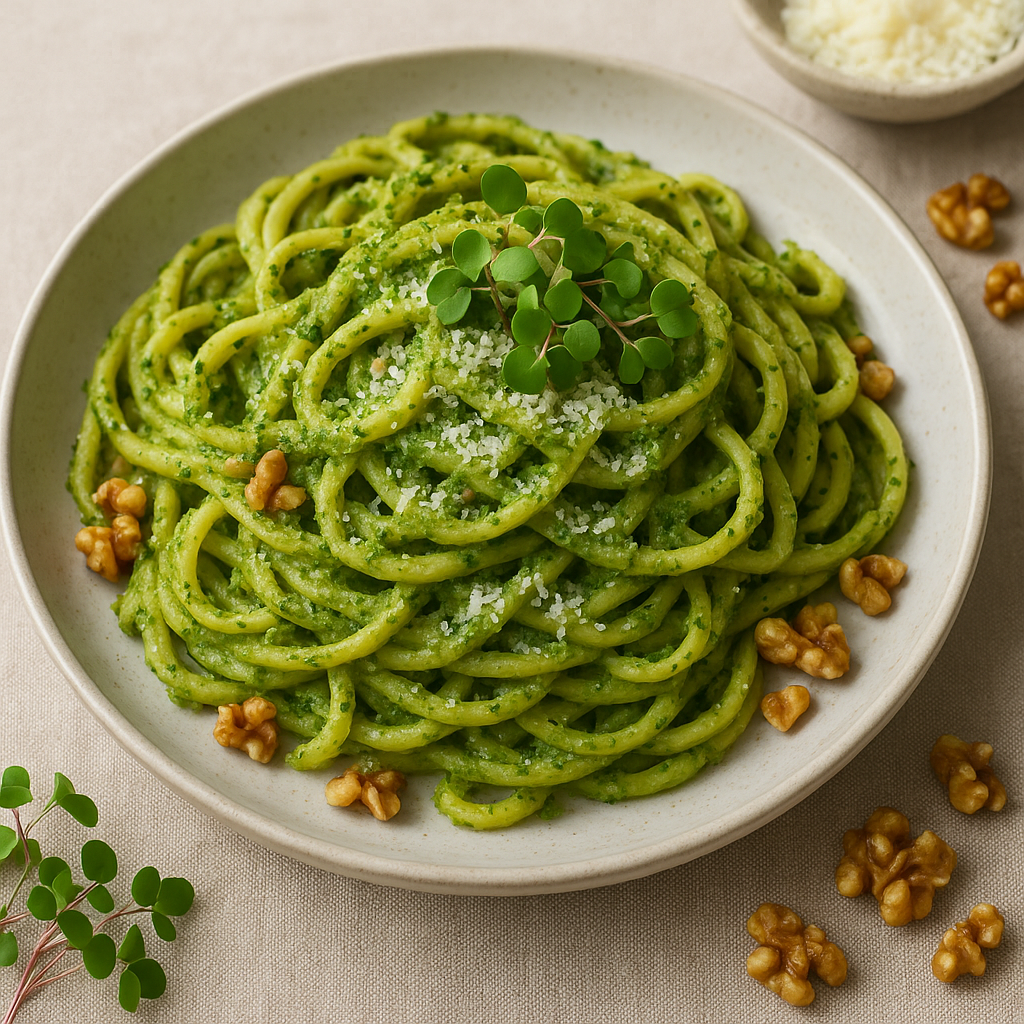
This unique twist on traditional pesto uses mustard microgreens to create a spicy, flavorful sauce perfect for pasta lovers.
ChefPax Microgreens
ChefPax recipe
25 min
These flavorful tacos packed with spicy mustard microgreens offer a fresh twist on traditional fillings, making them a perfect quick meal for any night of the week.
ChefPax Microgreens
ChefPax recipe
10 min
Elevate your breakfast with this easy avocado toast topped with zesty mustard microgreens for a delightful crunch and flavor explosion. Inspired by the popular brunch menus in Austin.
ChefPax Microgreens
ChefPax recipe
15 min
This vibrant salad bowl showcases the peppery kick of mustard microgreens paired with sweet roasted carrots and creamy avocado. Inspired by fresh, bold flavors often found in modern Asian cuisine.
ChefPax Microgreens
ChefPax recipe
25 min
This hearty quinoa bowl features wasabi mustard microgreens and roasted vegetables, creating a spicy yet wholesome meal.
ChefPax Microgreens
ChefPax recipe
20 min
This vibrant salad marries the peppery punch of wasabi mustard microgreens with crisp veggies and creamy tofu for a nutritious bowl.
ChefPax Microgreens
ChefPax recipe
10 min
Elevate your classic avocado toast with the bold flavors of mustard microgreens, adding nutrition and a spicy kick to your breakfast.
ChefPax Microgreens
ChefPax recipe
10 min
An easy and satisfying twist on traditional avocado toast, topped with spicy mustard microgreens for an added punch.
No — real wasabi comes from Wasabia japonica, a completely different plant. Wasabi mustard microgreens (Brassica juncea) produce a similar compound class (isothiocyanates) that creates comparable heat, but the flavor is slightly different — more mustard-forward with a wasabi-like quality, rather than pure wasabi.
Very — heat breaks down the isothiocyanates that create the pungent flavor, so cooking wasabi mustard microgreens eliminates the heat almost completely. Always use them raw as a finishing element. Add after plating warm dishes, not during cooking.
Yes — we offer Wasabi Mustard in both 10×20 live trays and 5×5 trays. The 5×5 yields about a quarter of the volume of a 10×20 and is perfect for households that want the heat accent without using a full tray.
Mustard microgreens, including wasabi mustard varieties, deliver sharp peppery heat through glucosinolate-derived compounds similar to other brassica crops. They are used as flavor accents and garnishes where heat and bite are desired.
• Mustard and brassica microgreens have been studied for glucosinolate content, which contributes to their characteristic peppery flavor.
moderate evidence• Heat intensity varies significantly by mustard variety and is affected by growing conditions and harvest timing.
strong evidence1. Assessment of Vitamin and Carotenoid Concentrations of Emerging Food Products: Edible Microgreens — Journal of Agricultural and Food Chemistry, 2012
2. Microgreens: Production, Shelf Life, and Bioactive Components — Critical Reviews in Food Science and Nutrition, 2017