Brassica oleracea var. gongylodes

Kohlrabi microgreens are the gentle surprise of the brassica family. ChefPax grows Early Purple Vienna Kohlrabi (Brassica oleracea var. gongylodes), a variety that develops beautiful deep purple cotyledons with consistent light exposure — one of the most visually striking greens in our lineup.
Seeded at 1.5 oz per 10×20 tray and harvested in 8–10 days when the purple cotyledons are fully developed, kohlrabi microgreens deliver a mild, sweet flavor that's distinctly more approachable than their radish and mustard brassica cousins. The subtle nutty undertone makes them exceptionally versatile — equally at home in a light Asian slaw as they are in a quick weekday salad.
In Austin's health-forward food community, kohlrabi microgreens have found their niche as the mild brassica that doesn't require strong flavors to balance it. Home cooks who want the nutritional density of a brassica microgreen without the assertiveness of radish or mustard often land on kohlrabi as their daily driver.
Kohlrabi microgreens taste mild and slightly sweet with a gentle nutty background — similar to the inner flesh of a raw kohlrabi bulb, but more delicate and tender. The flavor is subtle enough that it blends into most dishes without asserting itself, while still contributing a fresh, vegetable-forward note. The purple color adds visual interest that's hard to match with other mild greens.
Kohlrabi microgreens are rich in vitamin C, vitamin K, and folate — nutrients critical for immune function, bone health, and cellular DNA repair. As a brassica, they also contain glucosinolates in moderate concentrations. The purple pigment comes from anthocyanins, antioxidants studied extensively for cardiovascular and metabolic health benefits.
For a deeper look at vitamins and phytonutrients studied across varieties, see the microgreens nutrition guide.
Keep your live kohlrabi tray in indirect light at room temperature. The purple color continues to intensify with ongoing light exposure after delivery — so a bright countertop spot (not direct harsh sun) actually improves color. Snip what you need and expect up to 2–3 weeks of fresh harvest with light daily watering.
Full storage tips — container types, fridge placement, and shelf life by crop — are in the microgreens storage guide.
ChefPax Microgreens
ChefPax recipe
15 min
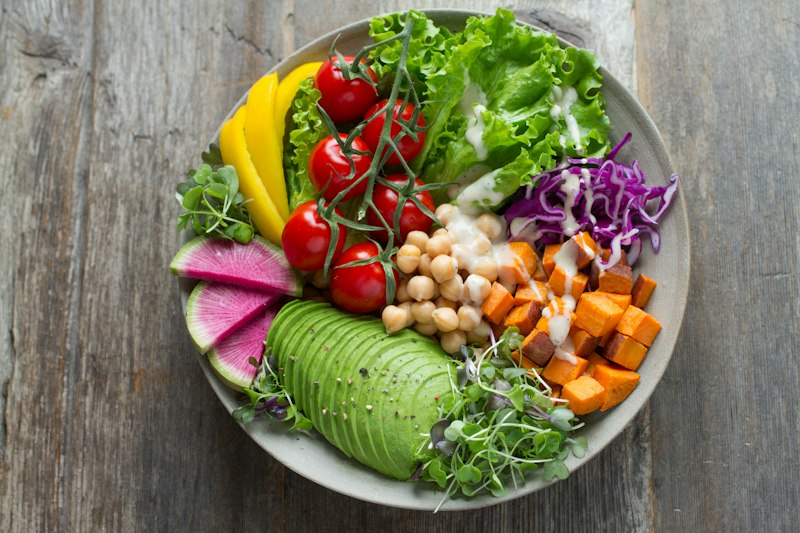
Colorful mixed greens salad topped with mild, sweet kohlrabi microgreens and a citrus vinaigrette.
ChefPax Microgreens
ChefPax recipe
12 min
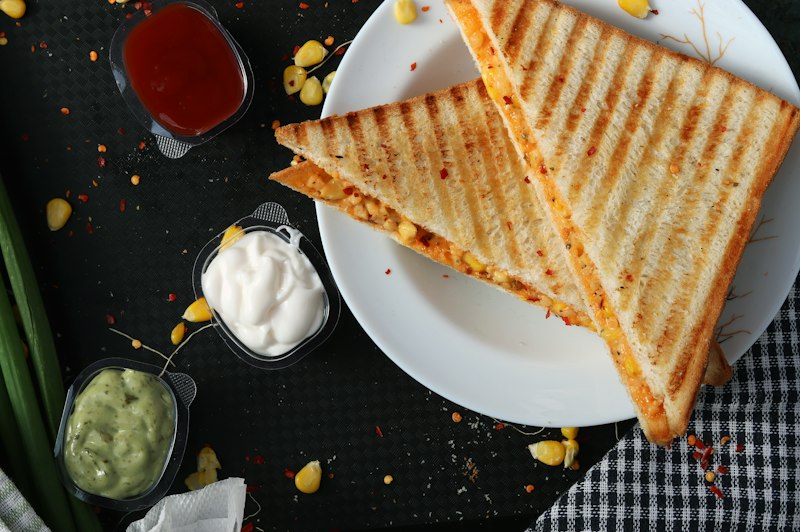
Delicate tea sandwiches with cream cheese, cucumber, and fresh kohlrabi microgreens.
ChefPax Microgreens
ChefPax recipe
25 min
Hearty farro bowl with roasted beets, hummus, and a mound of mild, sweet kohlrabi microgreens drizzled with tahini.
ChefPax Microgreens
ChefPax recipe
25 min
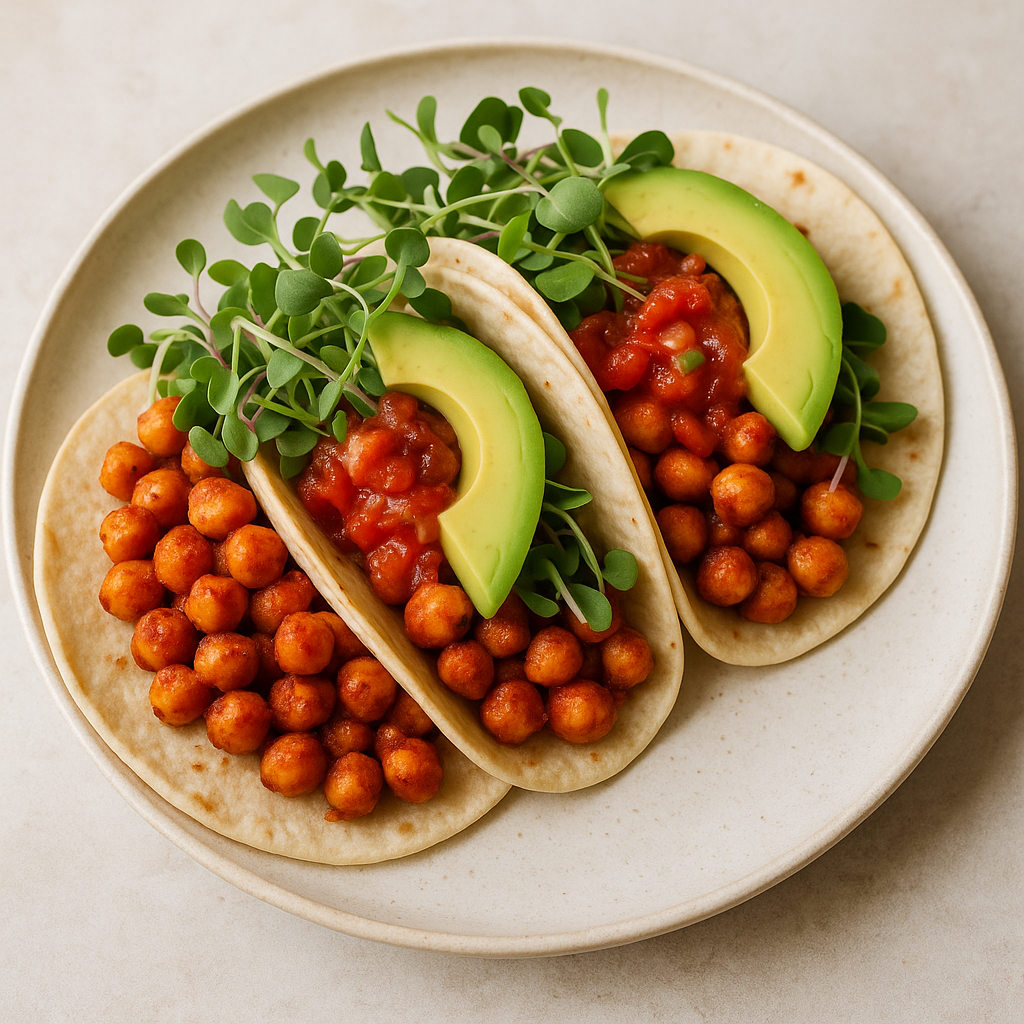
These vibrant tacos feature spicy chickpeas and fresh kohlrabi microgreens, offering a flavorful and nutritious meal.
ChefPax Microgreens
ChefPax recipe
15 min
A trendy twist on classic avocado toast, this dish features the peppery flavor of kohlrabi microgreens, making it a nutritious breakfast option.
ChefPax Microgreens
ChefPax recipe
25 min
These vibrant tacos feature kohlrabi microgreens and zesty roasted chickpeas, creating a fun and flavorful dish, inspired by chef-driven street food.
ChefPax Microgreens
ChefPax recipe
20 min
This refreshing salad highlights kohlrabi microgreens, combined with nutty quinoa and colorful veggies, inspired by modern Asian flavors.
ChefPax Microgreens
ChefPax recipe
30 min
A velvety soup that showcases kohlrabi microgreens, offering a comforting yet light option for lunch or dinner, inspired by contemporary culinary trends.
ChefPax Microgreens
ChefPax recipe
25 min
A colorful and nutritious stir-fry featuring tofu and kohlrabi microgreens, blending textures and flavors for a delightful meal.
ChefPax Microgreens
ChefPax recipe
10 min
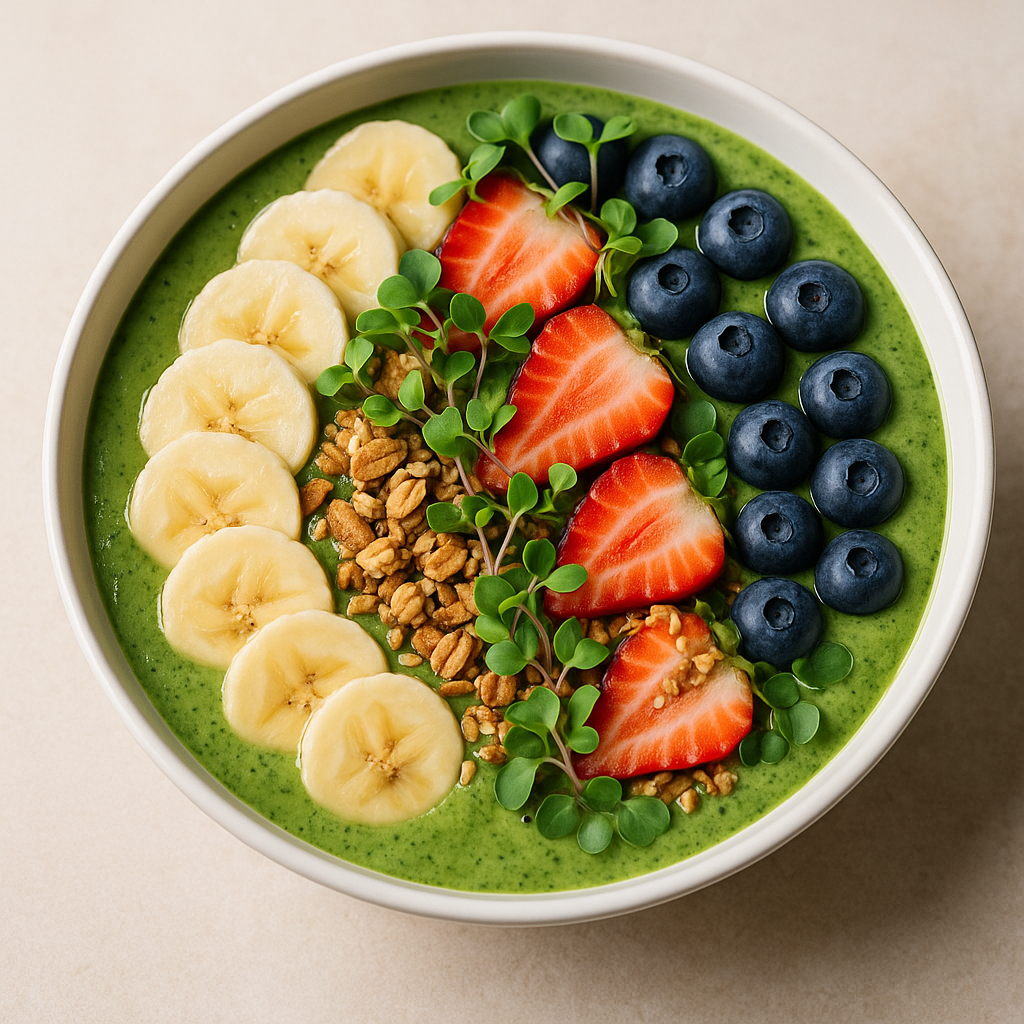
Start your day with a nutrient-rich smoothie bowl featuring kohlrabi microgreens and topped with your favorite fruits and seeds.
ChefPax Microgreens
ChefPax recipe
25 min
A vibrant stir-fry featuring crispy tofu and the unique flavor of kohlrabi microgreens, served over rice or noodles.
ChefPax Microgreens
ChefPax recipe
15 min
This savory spread combines creamy cheese with the peppery bite of kohlrabi microgreens, perfect for appetizers or sandwiches.
ChefPax Microgreens
ChefPax recipe
20 min
This refreshing salad combines the crispness of kohlrabi microgreens with nutty quinoa and vibrant veggies for a nutritious meal.
ChefPax Microgreens
ChefPax recipe
25 min
These delicious tacos feature kohlrabi microgreens and a creamy avocado topping, making them a perfect plant-based meal bursting with flavor.
ChefPax Microgreens
ChefPax recipe
20 min
This vibrant salad combines the crunch of kohlrabi microgreens with the nutty flavor of quinoa for a nutritious, refreshing meal.
ChefPax Microgreens
ChefPax recipe
15 min
This vibrant salad combines creamy avocado with crunchy kohlrabi microgreens, creating a refreshing dish packed with nutrients.
No — kohlrabi microgreens are harvested at 8–10 days old (cotyledon stage), before the plant has developed any of the kohlrabi bulb structure. The flavor is much milder and sweeter than mature kohlrabi greens, which can be more fibrous and peppery.
Slightly, if you toss heavily — the anthocyanins in the purple stems can tinge light-colored dressings pink. This isn't harmful, and many people find it adds visual appeal. For a cleaner presentation, add kohlrabi microgreens on top rather than tossing them in.
They're best raw — cooking mutes the mild flavor and causes the purple color to fade to grey-green. Use them as a finishing element after plating warm dishes, rather than adding during cooking.
Kohlrabi microgreens have a mild, slightly sweet brassica flavor and are used as a versatile garnish and salad component. As a brassica crop, they share the general phytochemical research base of the family.
• Kohlrabi microgreens belong to the brassica family, which has been broadly studied for glucosinolate and vitamin content in microgreen form.
moderate evidence• Flavor and nutrient levels in kohlrabi microgreens vary by growing conditions and harvest stage.
strong evidence1. Assessment of Vitamin and Carotenoid Concentrations of Emerging Food Products: Edible Microgreens — Journal of Agricultural and Food Chemistry, 2012
2. Microgreens: Production, Shelf Life, and Bioactive Components — Critical Reviews in Food Science and Nutrition, 2017